Press Releases
- Details
- Category: Press Releases
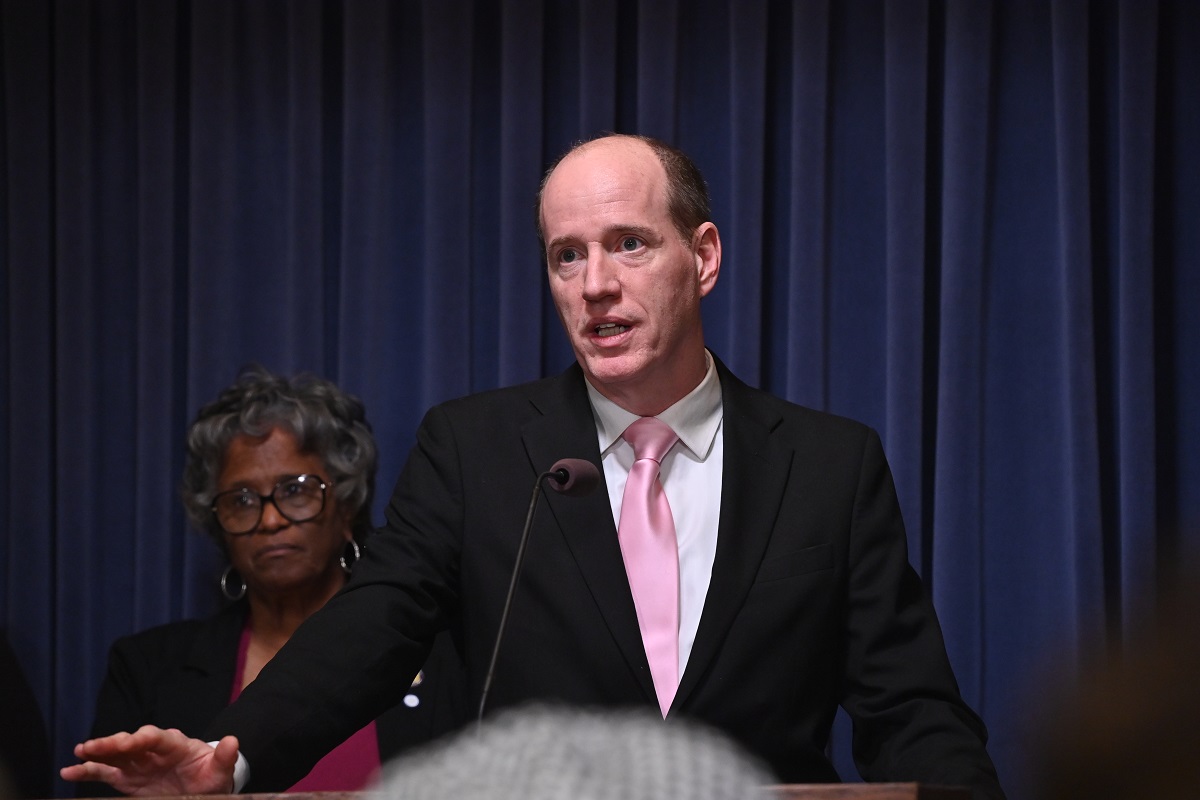
CHICAGO– State Senate Bill Cunningham announced two social service providers in Alsip and Oak Lawn are set to receive a combined total of $432,000 to offer reliable and accessible transportation options for people living with disabilities.
“People with disabilities are valuable members of our community, and we need to look out for opportunities to increase accessibility in transportation wherever possible,” said Cunningham, a Democrat who represents portions of Chicago and the Southwest Suburbs. “This is vital funding because it ensures residents have access to reliable transportation for things like medical appointments, the grocery store and service programs.”
Through the Consolidated Vehicle Procurement Program, administered by the Illinois Department of Transportation, more than 500 paratransit vehicles valued at $57.1 million have been awarded to 113 transit providers. The vehicles are delivered to public transportation providers as well as nonprofit organizations serving seniors and individuals with disabilities.
Park Lawn School and Activity Center in Oak Lawn was awarded $240,000 for two vehicles. The nonprofit organization provides services for people with intellectual and developmental disabilities, including community day services and supportive employment.
- Details
- Category: Press Releases
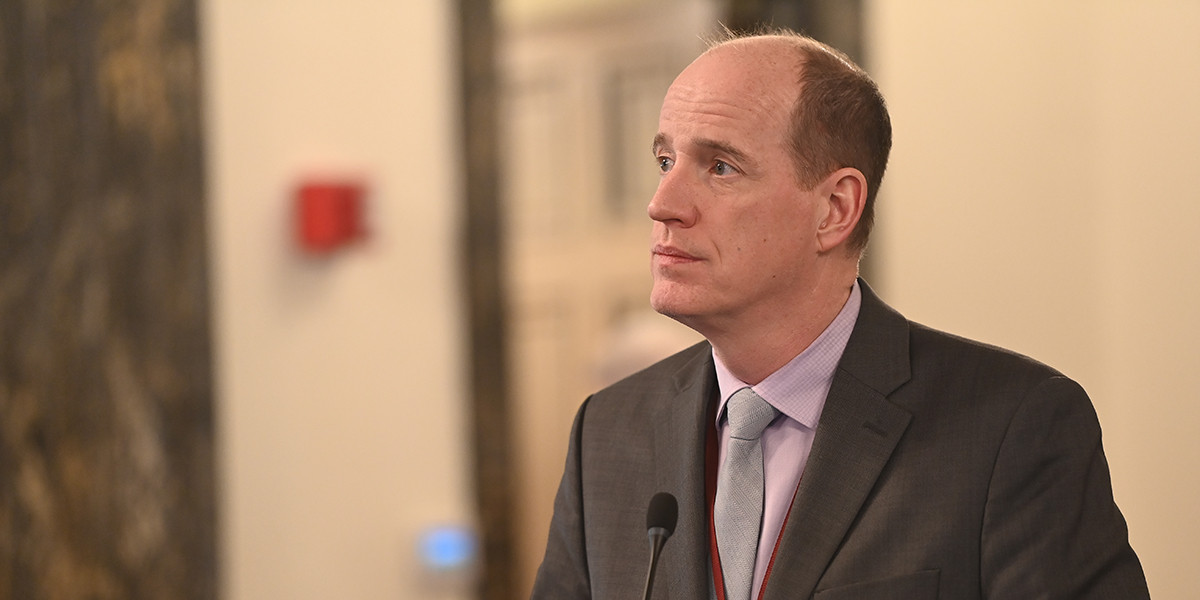
SPRINGFIELD – In an effort to shield Illinois employers from costly lawsuits without rolling back the state’s strict digital privacy protections, State Senator Bill Cunningham filed Senate Bill 2979, which makes changes to the liability guidelines in the Biometric Information Privacy Act.
“Given the rash of cybersecurity breaches we hear about, Illinoisans should be proud that we have arguably the strongest digital privacy laws in the nation. However, our laws have not kept up with changes in technology, which has left some small businesses facing overwhelming financial liabilities,” said Cunningham, a Democrat who represents portions of Chicago and the Southwest Suburbs. “SB 2979 will keep the current privacy restrictions in place and hold violators accountable, as well as ensure businesses are not unfairly punished for technical violations of the law.”
Under BIPA, private entities must obtain written consent before collecting and storing biometric information, such as an employee’s fingerprint. If a business is sued for violating BIPA, they can be ordered to pay damages for each instance where biometric information is collected — even if they repeatedly collect the same information. This has led to situations where an employer can be ordered to pay millions in liquidated damages, and in a case involving White Castle, billions of dollars, because each collection counts as a separate violation. For instance, businesses that use digital fingerprinting systems for employee timekeeping often take swipes of each employee’s fingerprint multiple times per shift — like when the employee arrives for work, leaves for and returns from a lunch break, or checks out at the end of the work day. Under BIPA, each of those swipes can qualify as a violation of the law if the employee has not provided written consent, exposing the business to a minimum of $1,000 in damages every time a swipe is taken.
- Details
- Category: Press Releases
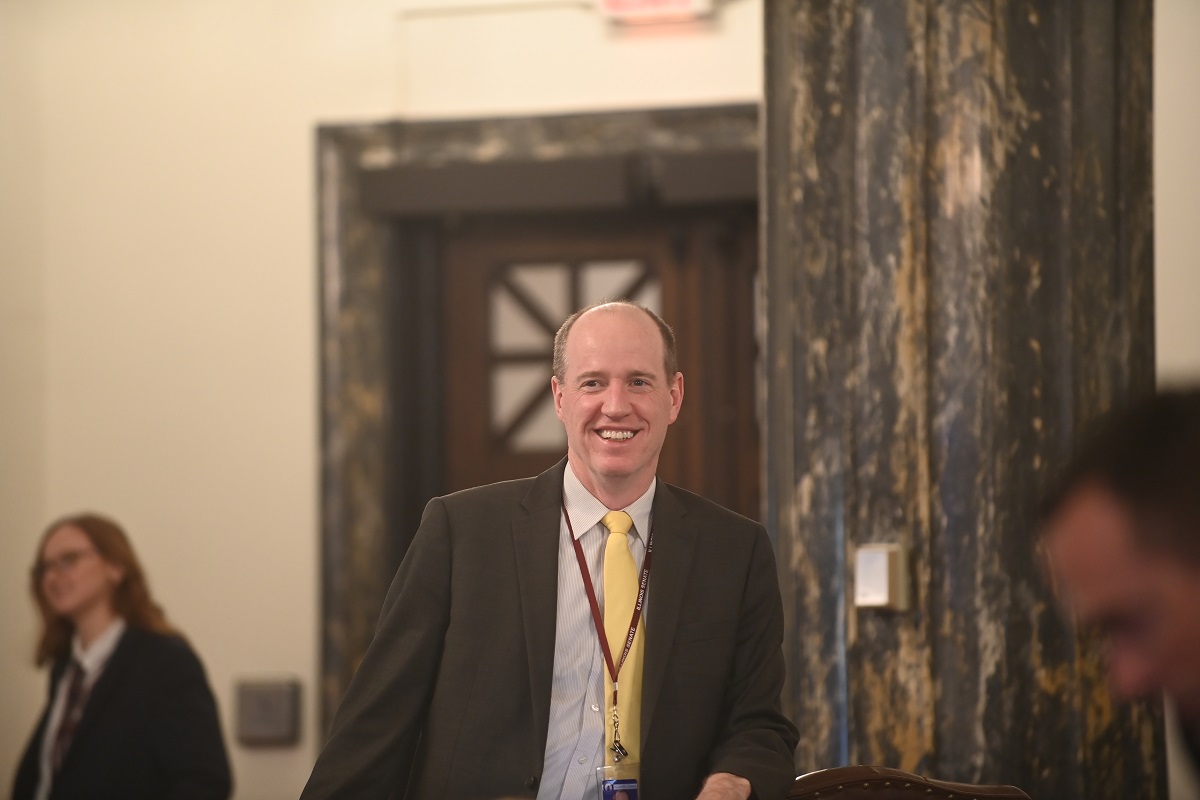
SPRINGFIELD – State Senator Bill Cunningham spearheaded legislation that expands access to savings accounts for people living with disabilities, known as the Senator Scott Bennett ABLE Program.
“ABLE accounts provide much-needed protections for people living with disabilities and their families by allowing them to build financial wellness without risking their federal government benefits,” said Cunningham, a Democrat who represents portions of Chicago and the Southwest Suburbs. “We chose to expand this program because it’s proven to work and is a testament to our commitment to those who deserve our support.”
House Bill 3641 makes expansive changes to the Senator Scott Bennett ABLE Program, which helps people with disabilities and their families save and invest for expenses related to living with a disability without jeopardizing their eligibility for certain government benefits. The measure allows people over the age of 18 to start an IL ABLE account and enables the accounts to conserve additional benefits, such as VA benefits.
“As our friends and neighbors with disabilities continue to navigate everything that life throws at them, it’s my hope that this measure can empower them to live with dignity,” said Cunningham.
House Bill 3641 was signed into law Friday. To read more about the Senator Scott Bennett ABLE Program including benefits and eligibility, click here.
- Details
- Category: Press Releases
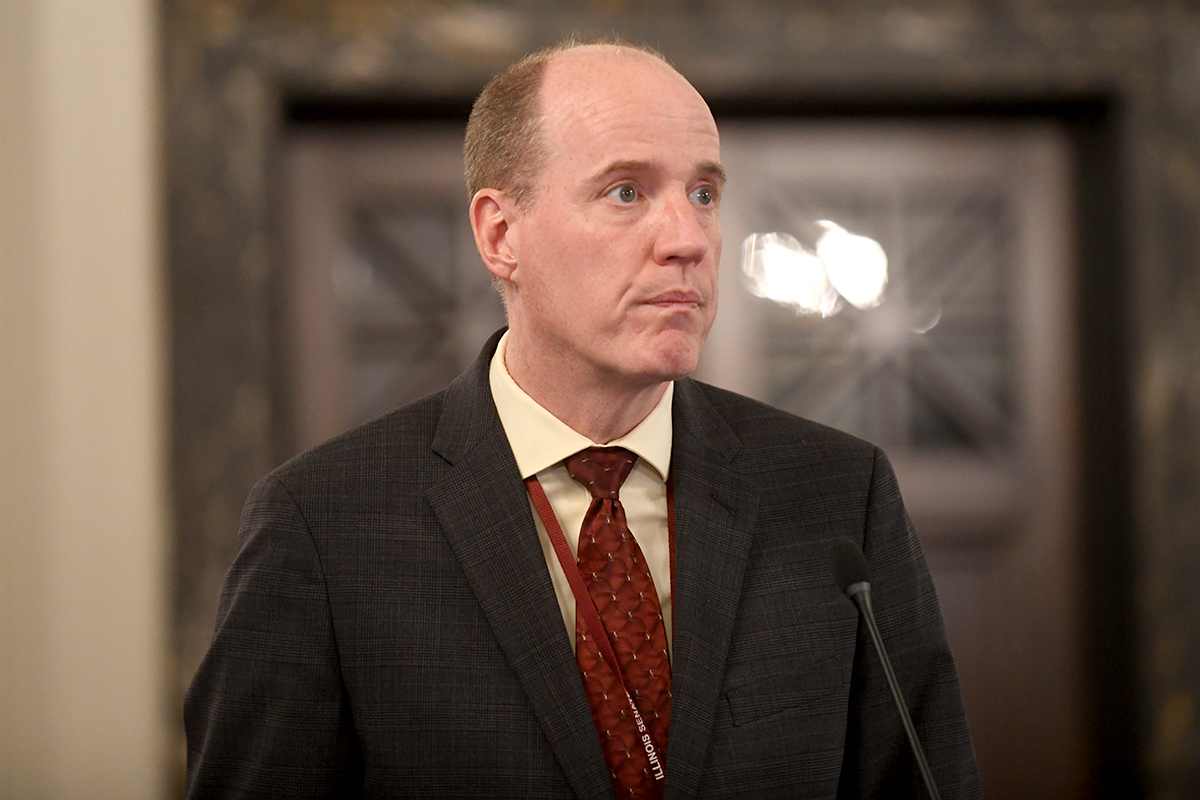 CHICAGO – State Senator Bill Cunningham announced that 11 school districts across the Southwest Suburbs will receive over $8 million in evidence-based funding, in addition to the base funding that the state provides.
“Making sure that our schools are properly funded makes a big difference on student outcomes,” said Cunningham, a Democrat who represents portions of Chicago and the Southwest Suburbs. “This evidence-based funding helps schools provide high-quality education that students and families deserve.”
The funding comes from the 2017 Illinois Senate Democrat-backed evidence-based funding formula — an overhaul of the way the state funds K-12 education. The law made school funding more equitable by calculating the needs of individual school districts and basing its state revenue on those needs. The formula takes into account a district’s total enrollment, poverty rate and number of special education or English language learners, among other factors.
- Details
- Category: Press Releases
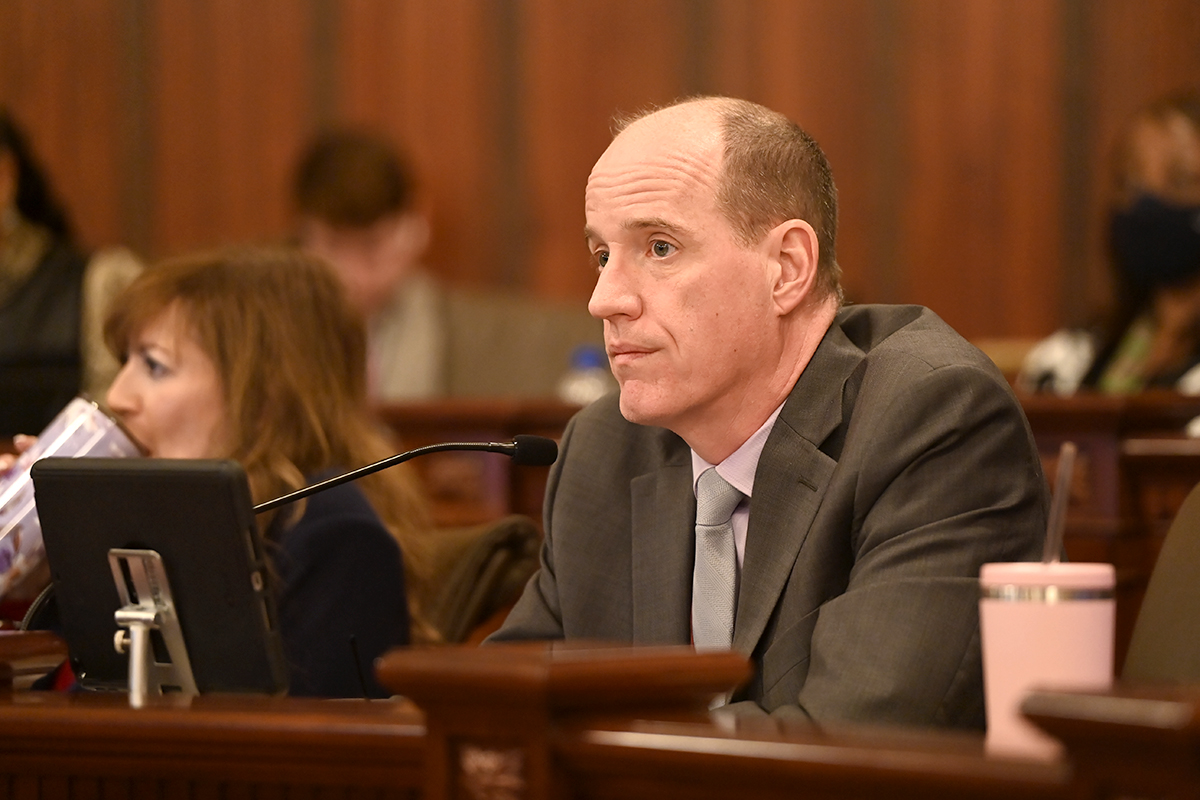 SPRINGFIELD – Illinois is implementing a new requirement that will assist law enforcement in quickly tracking stolen vehicles, thanks to support from State Senator Bill Cunningham and Cook County Sheriff Tom Dart.
“Vehicle theft and carjacking incidents have become a growing concern in our communities,” said Cunningham, a Democrat who represents portions of Chicago and the Southwest Suburbs. “With this new measure, law enforcement will be able to apprehend these malicious violators quickly and effectively, ensuring the safety and well-being of our residents.”
Law enforcement officers said they are at a disadvantage when it comes to putting a stop to carjackings because they can’t access real-time tracking information after the incident. With this new legislation, law enforcement will be able to contact auto manufacturers around the clock to ping where a stolen car is located—allowing police to find the perpetrator and arrest them before they get away.
If a driver hasn’t subscribed to the vehicle’s tracking service, the car manufacturer will waive all fees related to the tracking service during law enforcement response or investigation. The hotline will operate 24 hours every day of the week and will be available to state, county, and local law enforcement throughout the state for the purpose of tracking vehicles that have been carjacked or used in a kidnapping.
- Details
- Category: Press Releases
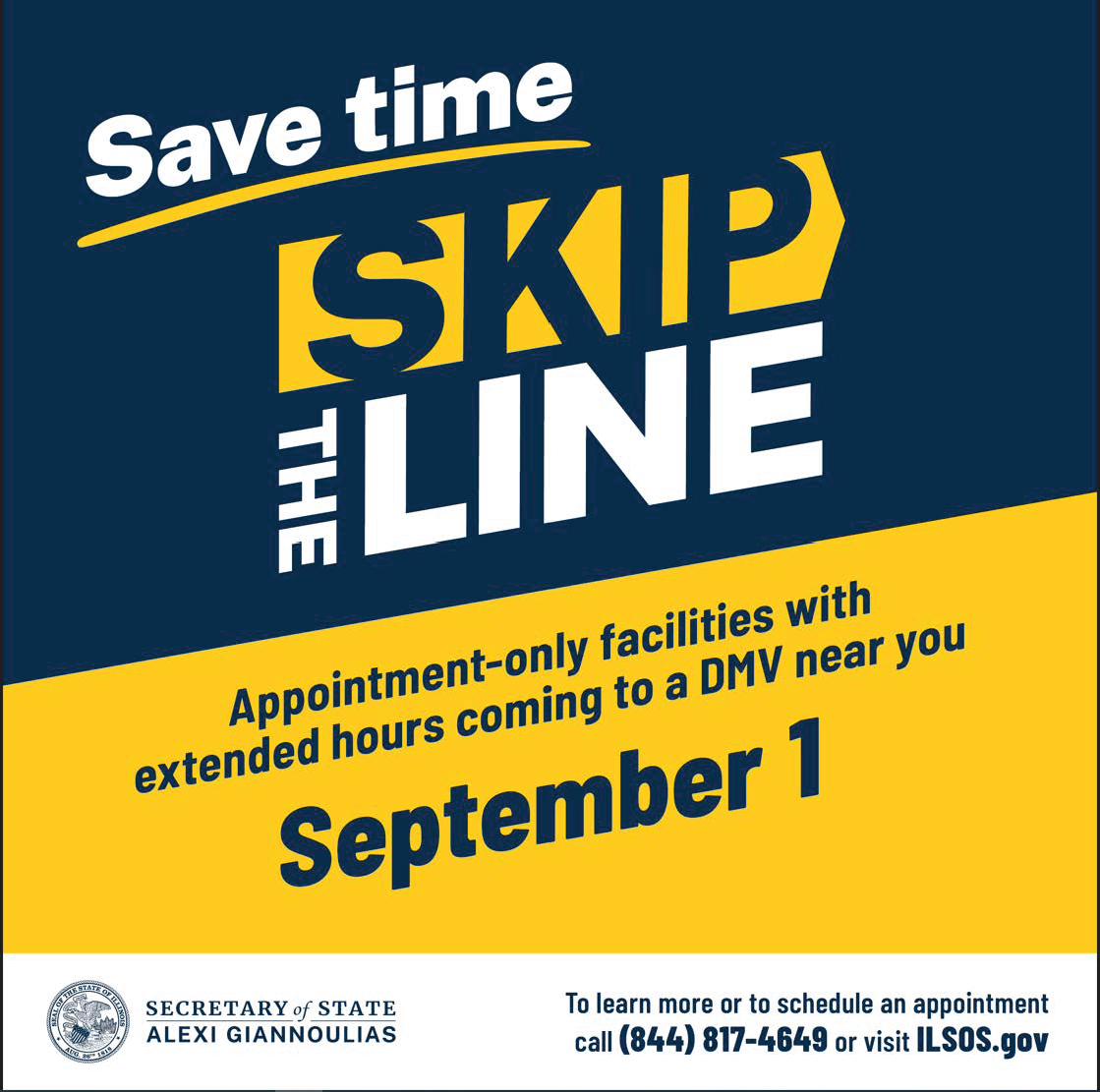 CHICAGO – State Senator Bill Cunningham is alerting his constituents about big changes to how Illinois issues driver’s licenses. Starting September 1st, anyone looking to renew their license, or get one for the first time, will have to make an appointment before visiting a Secretary of State office.
The new appointment-only program, called “Skip-the-Line,” is being introduced by Secretary of State Alexi Giannoulias to end the dreaded ritual of waiting in line for hours to renew a driver’s license.
“This new approach should drastically improve the experience of getting a driver’s license in Illinois,” said Cunningham, a Democrat who represents portions of Chicago and the Southwest Suburbs. “However, it will take some getting used to for both motorists and the Secretary of State’s office, so it’s important that Illinois residents familiarize themselves with the appointment-only process to make the transition as smooth as possible.”
The easiest way to book an appointment is to visit the Secretary of State’s website at www.ilsos.gov. Visitors can easily search for appointments by facility, date and time. Those who do not have access to a computer or are uncomfortable using one can call (844) 817-4649 to schedule an appointment with an operator.
- Details
- Category: Press Releases
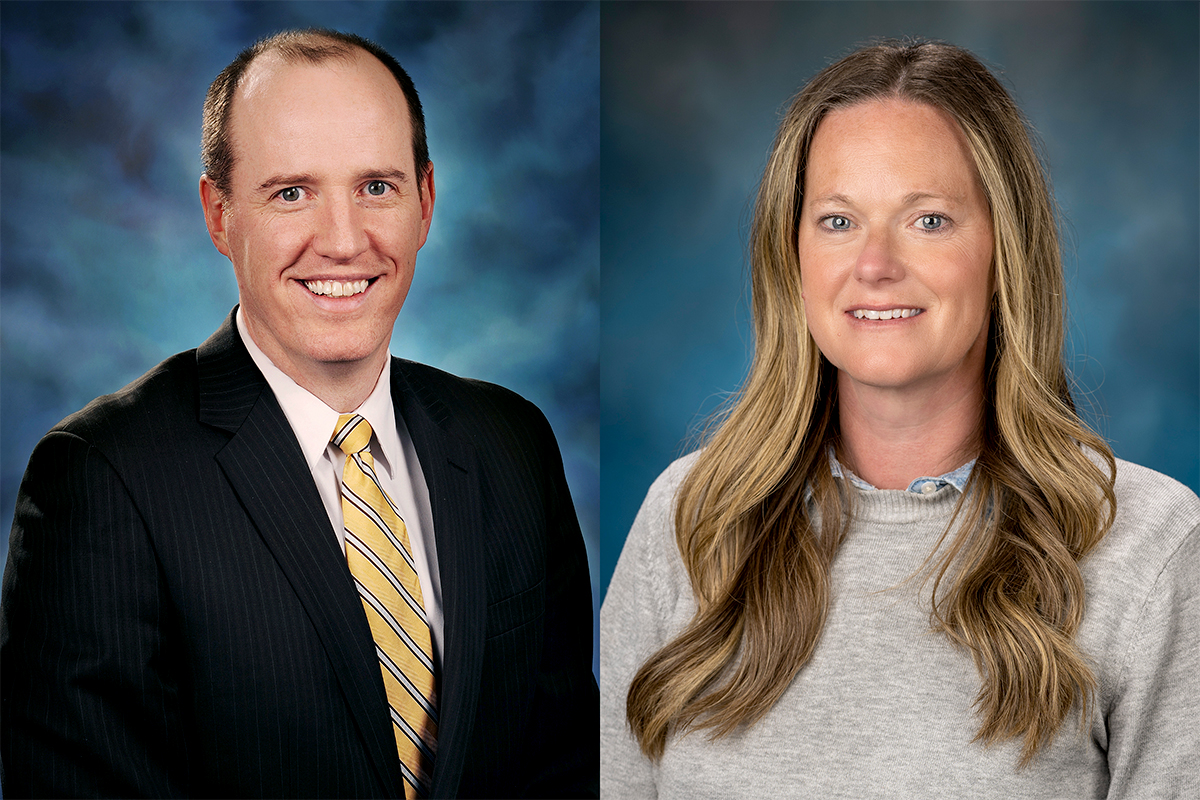 SPRINGFIELD – A measure sponsored by State Senator Bill Cunningham and supported by State Representative Mary Gill, which provides mental health support and education for law enforcement officers who are facing post-traumatic stress disorder, was signed into law.
“This will provide law enforcement officers with the support and resources they need to manage their mental health,” said Cunningham, a Democrat who represents portions of Chicago and the Southwest Suburbs. “We created a supportive resource for officers seeking help after specific traumatic situations and for PTSD."
Cunningham’s legislation creates a Statewide PTSD Mental Health Coordinator, who will be responsible for providing resources, information and assistance to law enforcement officers who may be experiencing PTSD symptoms or other mental health issues related to their work.
- Details
- Category: Press Releases
 CHICAGO – To emphasize the importance of learning throughout the summer, State Senator Bill Cunningham is hosting a Summer Book Club to encourage students to read and continue their studies during the summer vacation.
“This is a great opportunity for students to better their education this summer through reading,” said Cunningham, a Democrat who represents portions of Chicago and the Southwest Suburbs. “I encourage parents to sign up and help their kids foster a love of reading.”
The Summer Book Club requires students to read eight books of their choice during the summer break, record the names of the books on a form, and return the form to Cunningham’s office by Aug. 18. Every child who completes the Summer Book Club will receive a gift card and a certificate from Senator Cunningham.
Summer Book Club forms are available to download at SenatorBillCunningham.com. Senator Cunningham urges interested residents to call his office at (773) 445-8128.
More Articles …
Page 6 of 37

Follow Sen. Cunningham


eNewsletter Signup
Contact Info
Springfield Office:
Senator 18th District
325-G Capitol Building
Springfield, IL 62706
(217) 782-5145
(217) 782-2115 FAX
District Offices:
10400 S. Western Ave.
Chicago, IL 60643
(773) 445-8128
(773) 672-5143 FAX